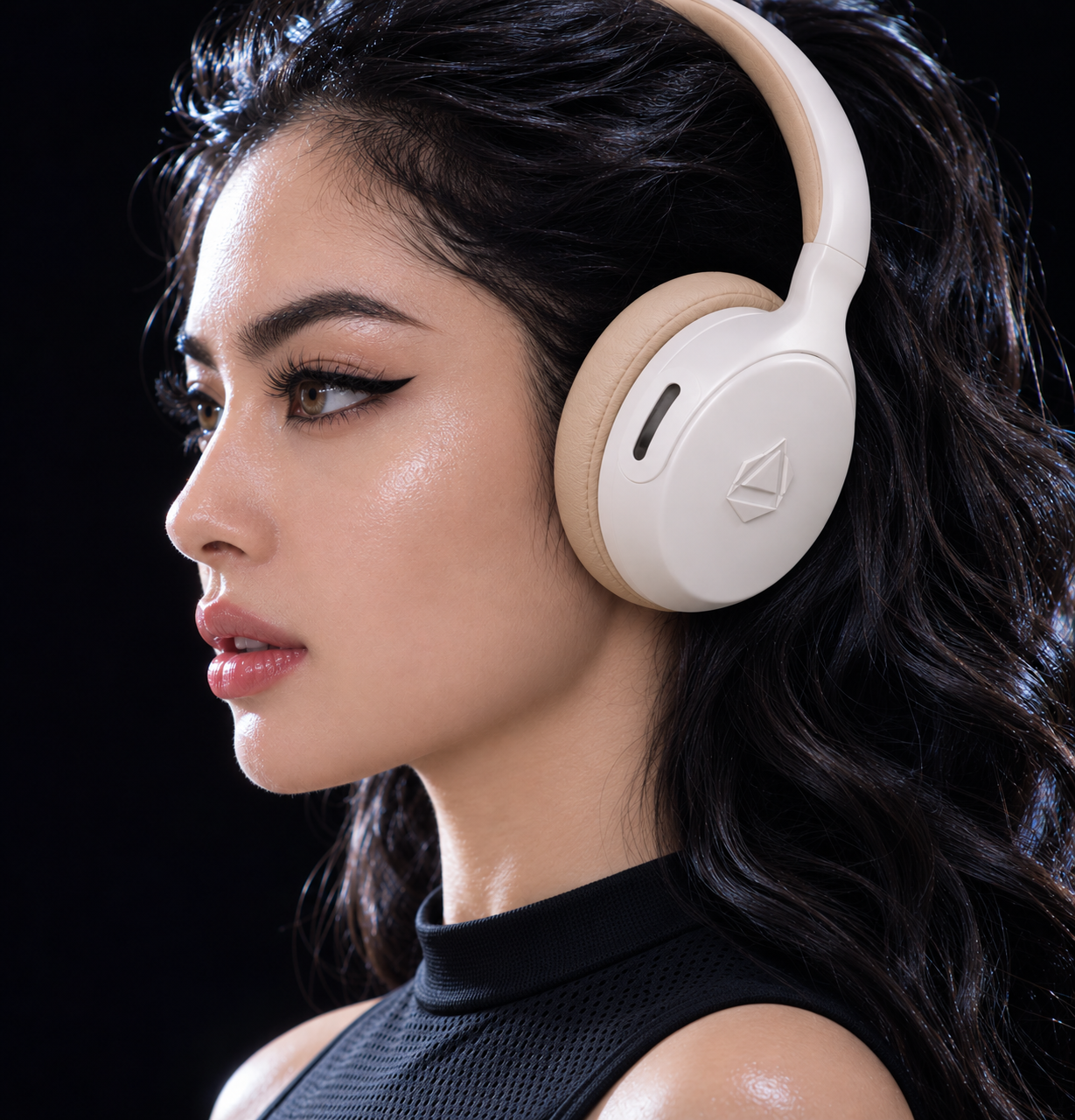
Intelligence for the human nervous system
Your nervous system.Now measurable.
Your brain is not static.
Verzes is developing a non-invasive neural interface for continuously understanding the human nervous system in motion.
We combine neural activity, physiology, movement, environmental context, and longitudinal baselines to measure how the brain responds to the physical world.
The problem
The brain doesn't exist in a vacuum.
Traditional neurological testing usually happens after an event, in a clinic, separated from the environment that caused it.
- Sports wearablesmeasure the body
- Camerasmeasure movement
- Impact sensorsmeasure collisions
- EEGmeasures electrical brain activity
But these systems rarely understand the complete event together.
Verzes is designed to connect them.
- World
- Movement
- Impact / Stimulus
- Nervous system
- Response
- Recovery
The data layer
Not just EEG.
The proprietary opportunity is the relationship between the signal and the event that produced it.
Verzes Brainprint
Your brain is its own control group.
Population averages can hide meaningful individual change. Verzes is designed around longitudinal, personalized baselines.
Instead of asking
“Is this brain normal?”
Verzes asks
“Is this normal for you?”
- Baseline match
- 94%
- Neural deviation
- +3%
- Recovery state
- Normal
- Neural baseline96
- Reaction latency91
- Spectral distribution94
- Connectivity89
- Autonomic state93
- Cognitive response95
- Recovery pattern90
Brainprint metrics shown are conceptual and research-stage. They are not validated clinical measures and are presented for illustration only.
First application · Contact sports
Every hit has two sides.
The impact
- Head acceleration
- Rotation
- Collision direction
- Athlete velocity
- Cumulative exposure
The response
- Neural activity
- Cognitive response
- Autonomic changes
- Reaction time
- Recovery trajectory
A head impact alone cannot tell you how an individual brain responded.
Research applications include understanding neurological response to repetitive head impacts, subconcussive exposure, recovery, and potential risk-state estimation.
Verzes is exploring a different model
- 01Measure the physical event.
- 02Measure the athlete before it.
- 03Measure the nervous system afterward.
- 04Learn from the relationship over time.
Verzes is an investigational research platform and is not currently intended to diagnose, treat, or prevent concussion or other medical conditions.
Neural events
Building the dataset between the world and the brain.
- Neural baseline
- 96%
- HRV
- 72 ms
- Fatigue
- Low
- Movement velocity
- 6.8 m/s
- Type
- Helmet contact
- Location
- Right temporal
- Linear acceleration
- 71 g
- Rotational acceleration
- 3,900 rad/s²
- EEG deviation
- +14%
- Reaction latency
- +26 ms
- Autonomic response
- Elevated
- Recovery trajectory
- Monitoring
Individual events become longitudinal models. Longitudinal models become population intelligence.
The result is a new training corpus describing how human nervous systems respond to real-world physical events.
Neural readiness
Readiness, but for the nervous system.
- Baseline stability
- Excellent
- Cognitive response
- Normal
- Autonomic recovery
- Normal
- Recent impact load
- Low
- Neural deviation
- 2.1%
Future Verzes models could combine multiple signals to characterize an athlete's changing neurological state, resilience, and recovery.
- Individual neural baseline
- Sleep
- HRV
- Training load
- Previous impact exposure
- Cognitive testing
- Movement performance
Neural readiness is a future research capability. It is not a medical determination or a clearance to participate in sport.
Verzes Neural Earware
Neural computing you can wear.
A medical-grade hearable architecture that brings neural, physiological, and environmental sensing into a single device worn behind the ear.
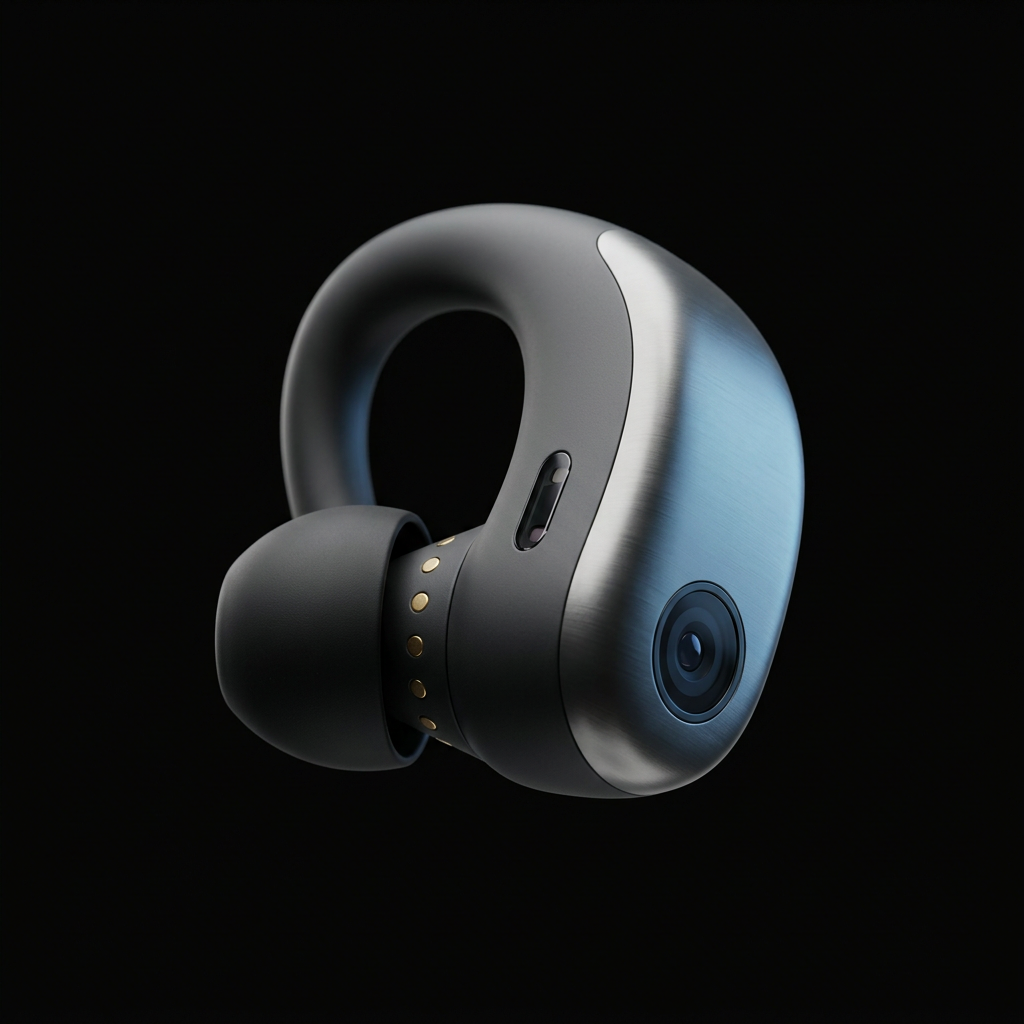 Concept render
- Outer shellEnvironmental camera · Microphones
- Optical moduleEye / gaze sensing
- Compute coreInertial measurement unit
- Biosignal modulePPG · Temperature · Respiration estimation
- Acoustic driverBone conduction audio
- Ear-EEG tipDry ear-EEG electrodes
Sensor configuration shown represents the Verzes research architecture and may evolve during development.
Closed loop
From measurement to interaction.
Today most wearables measure.
Verzes is being designed toward a closed-loop neural interface.
Future non-invasive interventions
- Audio cues
- Visual cues
- Neurofeedback
- Breathing guidance
- Training modification
- Cognitive training
- Recovery protocols
- Adaptive interfaces
Interventions listed are future research directions. Verzes does not currently deliver any intervention, and no electrical brain stimulation is part of the current platform.
Non-invasive BCI
A brain-computer interface without brain surgery.
The next generation of human-computer interfaces does not necessarily begin with an implant. Verzes is exploring how continuously measured neural signals can become a persistent input to computation.
From sports to the real world
Football is the beginning.
- SportResearch wedge
- Contact sports
- Motorsport
- Combat sports
- Training
- Recovery
- Defense
- Pilot cognitive load
- Soldier readiness
- Blast exposure
- Operator fatigue
- Industry
- Construction
- Heavy machinery
- Fatigue
- Safety
- Health
- Neurological monitoring
- Aging
- Rehabilitation
- Cognitive change
- Computing
- Adaptive interfaces
- Spatial computing
- BCI
- Human-AI interaction
Verzes + Backfield
One athlete. Two sides of the data.
Backfield understands what the athlete did. Verzes understands what it did to the athlete.
- Movement
- Speed
- Position
- Play
- Decision
- Performance
- Video
digital twin
- Neural state
- Physiology
- Impact response
- Cognitive response
- Recovery
Together, movement intelligence and nervous-system intelligence create a more complete representation of the human athlete.
Data moat
The model improves with every athlete.
- More athletes
- More neural events
- Better personal baselines
- Better response models
- Better understanding of human performance
- Not simply EEG recordings.
- Not simply video.
- Not simply impact measurements.
The synchronized multimodal relationship between an identified real-world event and an individual's biological response over time.
Research
Built on neuroscience.Designed for the real world.
- Ear-EEG
Continuous neural monitoring without a traditional EEG cap.
- Multimodal sensing
Neural signals become significantly more useful when synchronized with physiology, biomechanics, and environmental context.
- Personalized baselines
Longitudinal monitoring enables comparison against the individual rather than only a population average.
- Real-world neurophysiology
Understanding nervous-system behavior while humans move, compete, work, and interact with their environment.
- Neural response modeling
Connecting external physical events to subsequent neurophysiological and behavioral change.
We taught computers
to understand the world.
Now they need to
understand us.